A Week in the Italian Lakes (Off-Season)
Lake Como in late April is half-empty, the gardens are blooming, the ferries are running, and the prices are sensible. Go before everyone else figures this out.
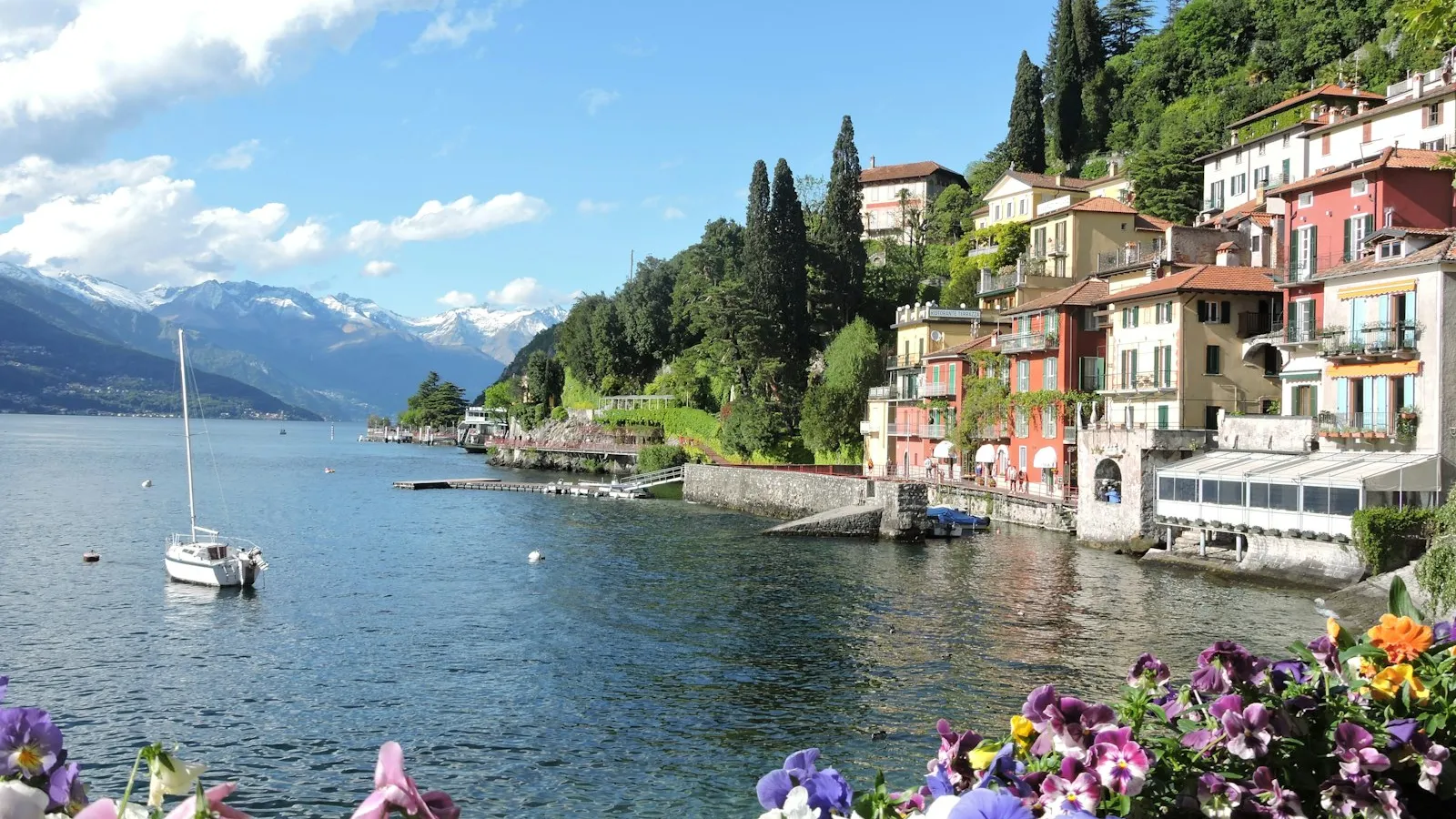
For four months a year, Lake Como is a parody of itself. July and August bring a sustained traffic jam from Como city to Bellagio, prices that reflect the assumption that everyone has a yacht, and queues outside Villa del Balbianello for two hours in 32-degree heat. From mid-October to mid-March, half the hotels are closed, the ferries run on a reduced schedule, and the weather can be reliably grey.
But late April through early June, and again from mid-September through early October — that's a different lake entirely. The shoulder season Como is what people imagine when they think of the lake. The gardens are at their fullest. The water is calm. The ferries run hourly. The hotels are open but not full. The towns are inhabited by locals rather than passing-through tourists. Prices, while still not cheap, are within hailing distance of reasonable.
A week is the right amount of time. Less and you'll feel rushed. More and you'll need to invent reasons to get out of the gravity well.
Where to base
Bellagio gets the press. It's the most famous town on the lake, sits where the three branches meet, and has the postcard-perfect cobbled streets that show up in every "Como" search. It's also touristy in a way that the other lakeshore towns aren't — even in shoulder season, you'll share Bellagio with day-trippers from Milan.
Better choices:
Varenna. Smaller, quieter, with the train station that makes day trips elsewhere easy. The promenade along the water at sunset is the lake's most romantic. Hotel du Lac if your budget allows; Albergo del Sole if it doesn't.
Menaggio. Across the lake from Varenna. More working-town feel. Walk to Cadenabbia, ferry from there. The cheapest base.
Lenno. Smaller still. Villa del Balbianello is within walking distance. Less than two thousand people live here year-round. Very quiet.
I'd suggest splitting a week — three nights in Varenna, three or four in Menaggio. Different sides of the lake, different views, ferries crossing every twenty minutes.
What to actually do
Take the ferries. Treat the boat as your primary transport. A week's pass is reasonably priced and the ferries are how the lake reveals itself — you see the villas, the cliff villages, the chestnut woods coming down to the water. Sit on the upper deck. Read your book between stops.
Visit Villa del Balbianello. Yes, despite the press. The villa itself is a 17th-century estate that doubles as Anakin Skywalker's honeymoon location in Attack of the Clones. The gardens are the real draw — terraces stepping down to the water, ancient cypress, views that have been admired in writing for two centuries. Buy timed tickets in advance. Visit on a weekday morning if you can.
Walk the Strada Regia. A medieval path that runs above the eastern shore from Lecco to Bellagio. You don't need to do the whole thing. The section from Varenna to Lierna is about two hours of relatively flat walking through chestnut woods, with regular views down to the water. Train back. Carry water; there are no shops along the route.
Eat lake fish. Persico (perch), missoltini (sun-dried shad), lavarello (whitefish). Every small restaurant has at least one of these. The best is at Trattoria del Cacciatore in Cadenabbia — family-run, lake fish risotto that has been on the menu for thirty years.
Take the funicular up Brunate. From Como city. Sixteen minutes, climbs to a viewpoint at 700 metres. Walk down through the forest in 90 minutes if you have the knees for it.
Do nothing for a day. Pick a hotel with a terrace and a view. Get a book you've been meaning to read. Order coffee. Read until lunch. Eat lunch on the terrace. Read until dinner. Eat dinner on the terrace. You won't believe how much this counts as a day well-used until you try it.
Things that aren't worth it
George Clooney's house. You can see it from the boat, sort of. There's nothing to do except look and feel vaguely commercial about looking. Skip.
The luxury boat tours. €100 per person for a 90-minute "Bellagio Experience" that the public ferry does for €5 in 25 minutes. The only reason these exist is that some people will pay for anything if it sounds private. They are not private; they have twelve other people on them.
Como city itself, beyond a half-day visit. The lake is not the city. The city is fine — pleasant cathedral, reasonable restaurants — but it doesn't deserve more than an afternoon. Spend the rest of your time on the water.
Why off-season
The light is gentler. The lake is calmer (afternoon winds pick up only in July and August). The flowers are at their best — wisteria in late April, roses through May, hydrangeas in early June. The hotels are run by their owners, who have time to talk to you. The restaurants serve locals.
By mid-July all this is gone. The hotels are run by seasonal staff who are doing their best but are exhausted by week three. The lake has a permanent low-grade wake from too many boats. The restaurants serve the same five tourist menus.
The lake is at its best when fewer people are willing to share it with you. You are now one of those people. Plan accordingly.
- como
- italy
- lakes
- shoulder-season