Lisbon at Dusk
The hour between six and seven, in March or October, is when the city makes its strongest case for itself.
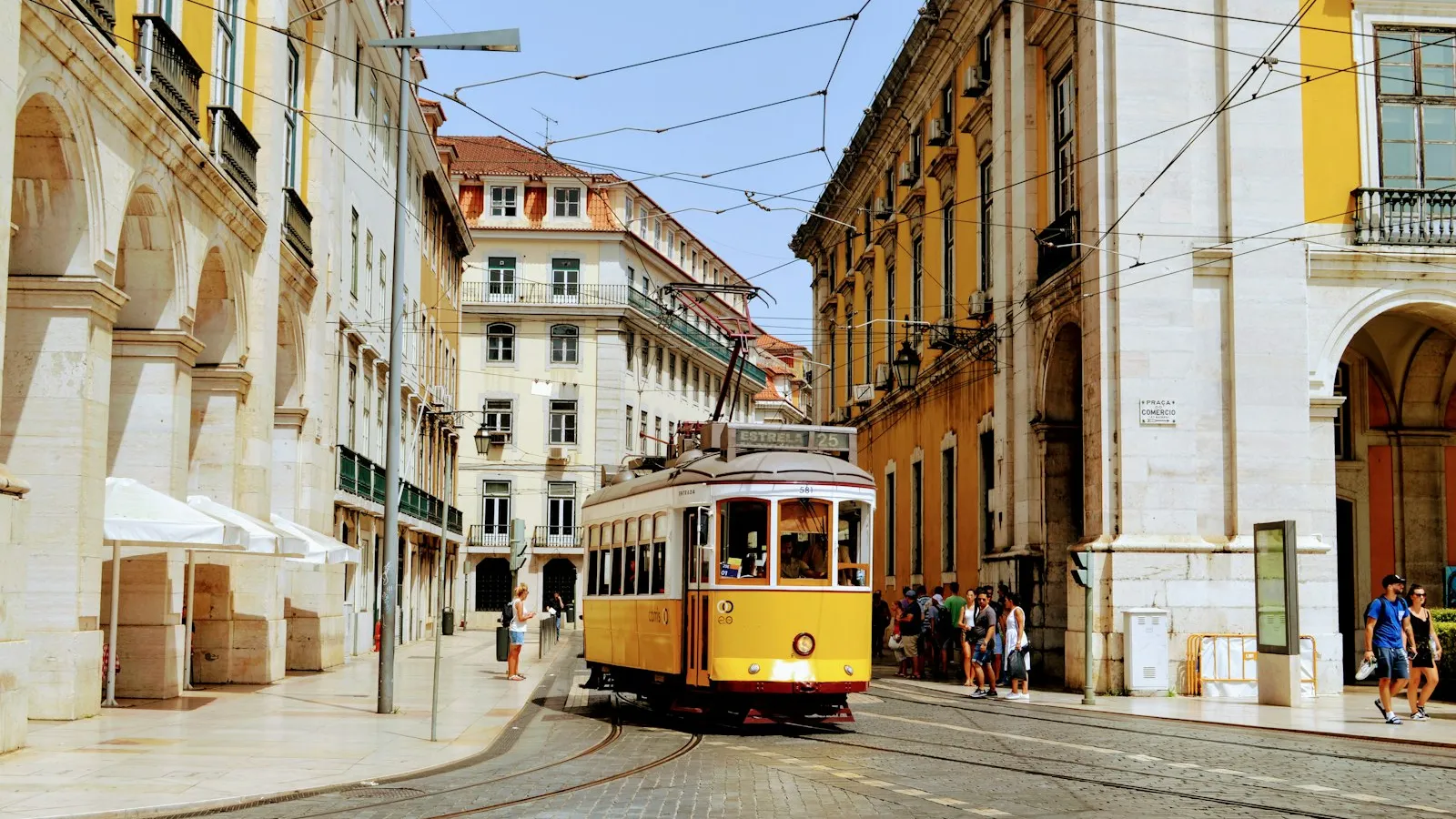
Lisbon is a city that is unusually well-suited to being looked at. The hills make every view a vista. The light, on the better days, has a quality that photographers have been writing about for two centuries. The buildings are tiled, which means they hold and reflect light differently from buildings made of stone or brick or concrete. And the river, the Tagus, is wider than visitors expect — wide enough to feel like the sea — and it sits there, reflecting everything, every evening.
The hour between six and seven, in March or October, is when these elements line up best. The sun is low enough to wash the western facades in gold. The river turns first orange, then pink, then silver. The tile patterns on building fronts come into their own. People who have been working all day spill out of offices onto terraces and order cold beers. The pace of the city slackens — Lisbon is never a hurried city, but at dusk it makes a point of slowing down further.
If you have one good week in your life to visit Lisbon, schedule it for spring or autumn and structure each day around this hour.
Where to watch
Miradouro de Santa Catarina. A wide terrace in Bairro Alto with a clear west-facing view. Drinks from the café, a low wall to sit on, frequently a busker. Goes from quiet at 6 to packed at 6:45. Arrive before everyone.
Miradouro da Senhora do Monte. Higher, harder to find, less busy. Worth the walk up. The view sweeps across all of central Lisbon to the river. Bring a bottle of wine.
A 28 tram heading west. Schedule yourself onto the tram around 6pm, sit on the right side. The tram climbs through Graça and Alfama with the sun dropping westward. Better than any guided tour.
Cais das Colunas. The marble steps where the city meets the river. People sit on the bottom step with their feet in the water. The light hits the buildings of Praça do Comércio behind you. Drinks from any of the cafés behind.
The Tagus ferry to Cacilhas. A ten-minute ride that costs less than a metro ticket. You leave from Cais do Sodré and arrive in Almada, the unfashionable south bank. Walk five minutes to Cacilhas waterfront for fresh grilled fish at one of the restaurants there. The view back to Lisbon at dusk is the city's best self-portrait.
What dusk does to the buildings
The azulejos — the tiled facades — were a colonial-era design choice, brought back from Moorish Spain and adapted to Portuguese sensibilities. They served practical purposes: weatherproofing the old stucco, reflecting heat in summer. But they also do something visual that's hard to articulate until you've stood in front of one at low sun: they fragment the light. A west-facing facade at six in the evening is not a single illuminated surface — it's hundreds of small tiles, each catching the light at a slightly different angle, producing a shimmer that paint or stone never produces.
This is most apparent in Alfama, the oldest district, where the streets are narrow enough that the buildings face each other across two metres of cobblestones. Walk the alley between Largo de Santo Estêvão and Beco do Carneiro at 6:15 in October. You will think the air is glowing.
Eating at dusk
The Portuguese eat late. Dinner before 8pm is unusual; before 9pm is still early. This is a city built around the long dusk-into-night transition. Use it. Start with a glass of vinho verde at a kiosk in Praça das Flores at 6:30, watch the light change for an hour, eat at 8 or 9 when the locals do.
Three places I return to:
A Cevicheria. Bairro Alto, no reservations, queue forms at 6:45. Peruvian, run by a Portuguese chef who spent fifteen years in Lima. Walk-in only.
Cervejaria Ramiro. Famous, busy, worth it. Seafood, beer, brown paper tablecloths. Get the gambas a la guillem. Avoid weekends if you can.
Solar dos Presuntos. Old school. Cured hams hanging from the ceiling. The kind of place where the waiter has been there forty years and recommends what's good today.
The walk home
After dinner, even if you've been drinking, walk back to wherever you're staying. Lisbon at midnight is calm in a way few capitals are. The streetlights pick up the tile work in patterns the sun never reaches. The trams clang occasionally on their last runs. Bairro Alto is loud, but Alfama and Graça are silent.
A city you have been in for less than three days will not yet be readable to you. A city you have been in for ten days starts to make its own sense. The dusk hour, repeated across many evenings, is how Lisbon teaches you to read it. Don't skip it.
- city
- dusk
- lisbon
- portugal